From You Are The Beloved
“I am increasingly convinced that it is possible to live the wounds of the past not as gaping abysses that cannot be fulfilled and, therefore, keep threatening us as gateways to new life. The ‘gateless gate’ of Zen and the ‘healing wounds of Christ’ both encourage us to detach ourselves from the past and trust in the glory to which we are called.”
~ Henri Nouwen
What is The Gateless Gate?
I had to look this one up.
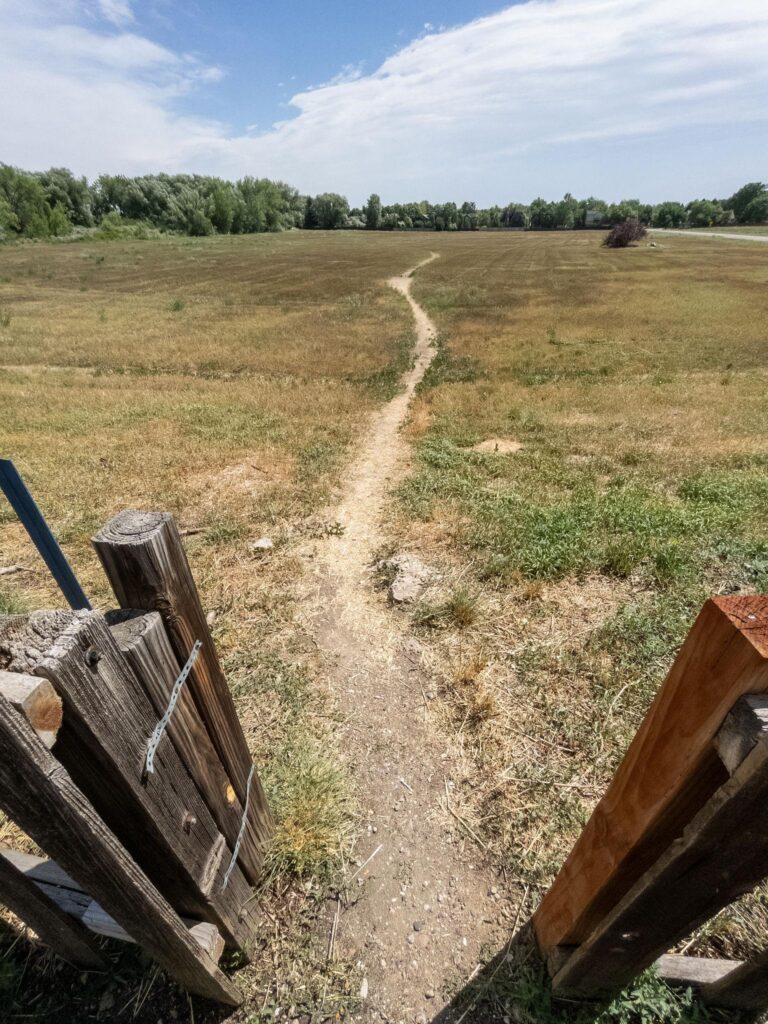
The “gateless gate” of Zen is a paradox. The word gate implies a boundary, something that keeps you out, or something you must strive to get through. A gate suggests effort, worthiness, clearance. It’s not just open for you to come and go.
But “gateless” changes everything.
It means the gate is an illusion, and so is everything we’re doing to try to get through it. Nothing is blocking you. There is no other side. You are already there. If you believe you are on the outside, that belief itself is the illusion. There is nothing keeping you out, and there never was.
What Are the Wounds of Christ?
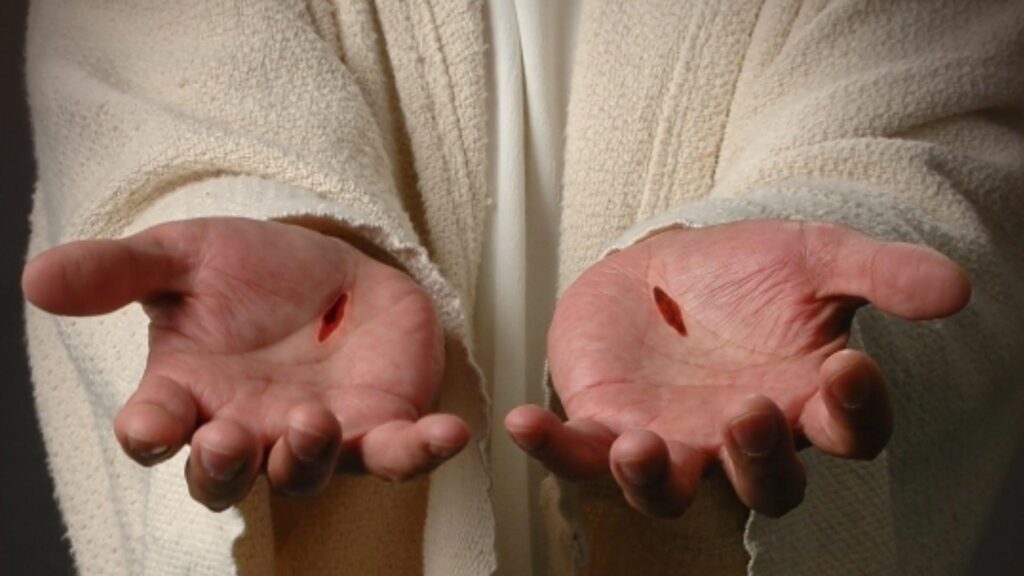
The wounds are real, but they are no longer a source of pain. Instead of reminding us of shame, they become reminders of love and healing. Our wounds show us that our pain doesn’t simply disappear! It is our pain that transforms us!
Our pain and shame do not disqualify us from who we are in Christ. In fact, our pain becomes the very place where God’s love is revealed. He meets us in our brokenness, accepts us there, and transforms us. The scars remain, not as reminders of failure, but as evidence of healing. Not just proof of what happened, but proof of what God has done.
How These Two Ideas Say the Same Thing
At first glance, the “gateless gate” and the “wounds of Christ” seem like very different ideas. But they share the same truth.
The gateless gate tells us we don’t have to overcome our past to become someone new. The past is not a barrier. You are already in the present, not trapped in what was.
The wounds of Christ tell us that our brokenness is not a barrier either.
Both confront the same illusion: that the brokenness of our past separates us from true life, from God, from wholeness.
The gateless gate says the separation was never real.
Correspondingly, the wounds of Christ say that even when separation feels real, it becomes the very place where God’s redemption, transformation, and love meet us.
Why Your Past Feels Like a Barrier
For most of us, the past becomes a trail of mistakes that turn into regret. Left alone, regret hardens into shame. Shame begins to tell us there is something wrong with us. Over time, that message becomes our identity: “I am broken. I am not enough.”
But Nouwen points us somewhere else.
Our identity is not fixed. We can detach from our past when we see that it is not a barrier to who God calls us to be. We let go of the belief that our brokenness defines us, and we step into a new understanding, that even our brokenness is being transformed.
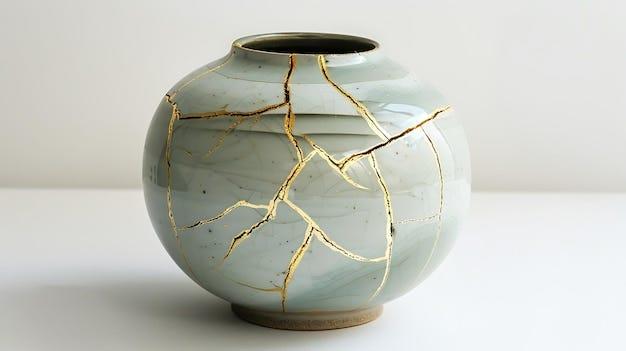
Our identity shifts from “I am broken and useless” to “I am broken and being healed.”
How to Detach From the Past Without Erasing It
We don’t have to fix our past. We don’t have to hide our scars. Our past becomes the backdrop where healing is revealed, not the barrier that holds us back. What once felt like brokenness becomes the very place new life begins. Our wounds are no longer the source of shame, they become the spring from which healing, freedom, and new life flow.