
“Hear what the Lord says: Rise, plead your case before the mountains…”
— Micah 6:1–8
There are passages in Scripture that feel like they belong to a single moment in history. And then there are passages that refuse to stay put. Micah 6 is one of those. It speaks across centuries. It finds us wherever we are standing and asks us to step forward, like Israel did, and answer a question we’d rather avoid.
God calls the mountains and the foundations of the earth to be witnesses. Creation itself is summoned to the courtroom. And then God turns, not with thunder or accusation, but with something more unsettling:
“O my people, what have I done to you? In what have I wearied you? Answer me.”
He puts Himself on the stand.
A Story for Every Age
The story being told here is true for everyone in every age.
God rescues. People respond. And somewhere along the way, love gets replaced by religion.
God brought Israel out of slavery. He redeemed them from Egypt. He sent leaders before them: Moses, Aaron, Miriam. He protected them when they were vulnerable and guided them when they were lost. And after all of that, what did He ask for in return?
Not power. Not empire. Not religious performance.
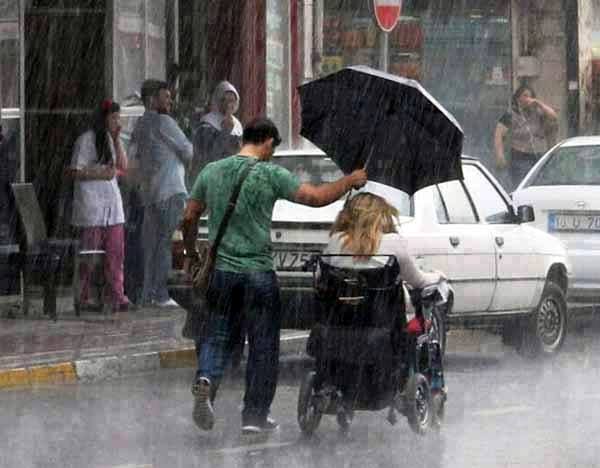
Just this: love Me, and love your neighbor. And by loving your neighbor, you will have loved me.
Yet Israel became a nation as corrupt as any other nation. The rescue didn’t disappear, but the gratitude did. The relationship turned into religion. Love turned into obligation. And obedience turned into something that could be measured, counted, and offered back to God like a transaction.
But here’s the thing, that’s not just their story, it’s ours too. But it doesn’t have to be.
When Salvation Becomes Religion
We still struggle with the same tension today: Loving God, loving our neighbor, living simply and just being kind to one another. It may sound simple, but it requires so much restraint.
We want to keep our sins: greed, lust, infidelity, oppression, pride. And then figure out a way to dress them up or cover them up. Instead of repentance we would rather make offerings to atone for our sins. Because we can’t stand the thought of living without them.
So we ask the same questions Israel asked:
“With what shall I come before the Lord?”
“Will He be pleased with thousands of rams?”
“Tens of thousands of rivers of oil?”
In other words: What can I give You so I don’t have to change?
Religion is often our attempt to negotiate with God. Love is what happens when we stop negotiating and start listening.
“In What Have I Wearied You?”
God asks a piercing question: “In what have I wearied you?”
But God doesn’t weary us.
Our sins weary us.
God actually calls the weary to come to Him. And offers rest for our souls. We chase desires that promise life but instead deliver exhaustion. When we run after what we want, God can start to feel boring by comparison. But it is the chasing itself that makes us tired. It’s the endless appetite that never gets full. Matthew 6:31-34
We mistake restlessness for freedom. And we call weariness “living.”
The Barbaric Question That Still Lives
Then comes the line that makes modern readers recoil:
“Shall I give my firstborn for my transgression, the fruit of my body for the sin of my soul?”
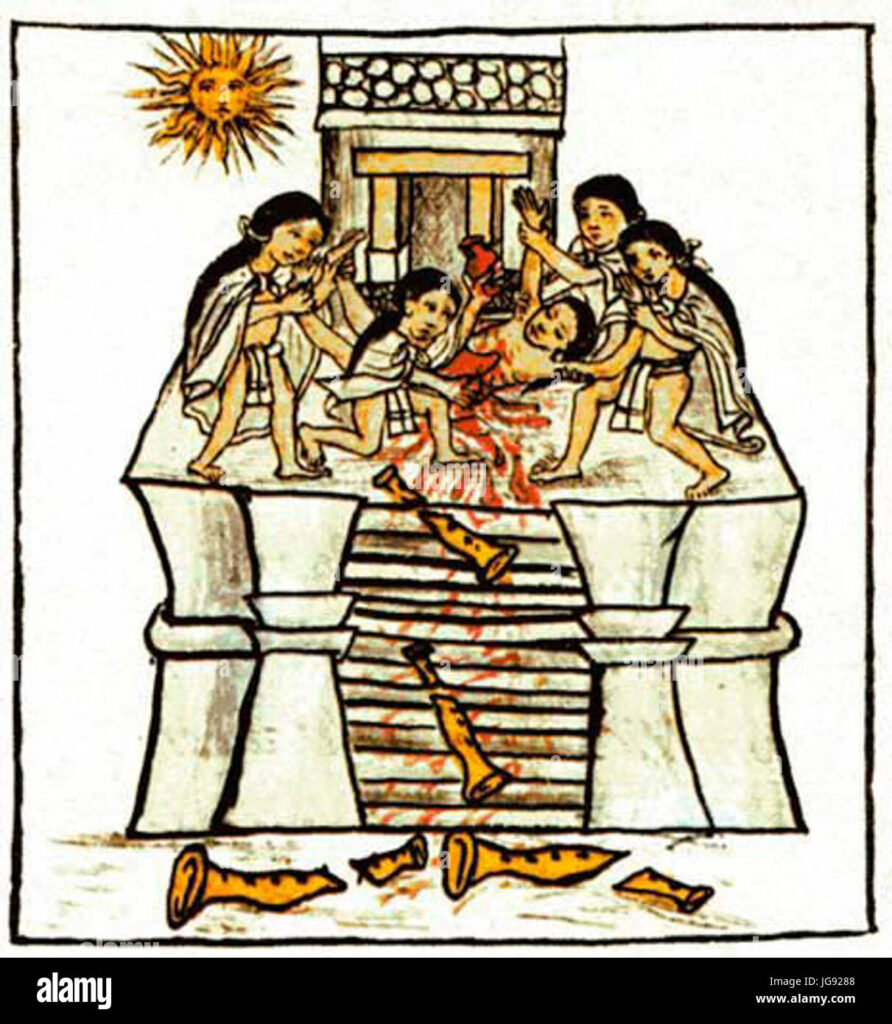
It’s easy to think, How could anyone sacrifice their child? How barbaric.
And yet, we see this lived out every day.
Men and women choose careers they love more than their children. They choose greed, a lust for more, advancement, and work over presence, attention and the slow, ordinary, irreplaceable work of being there.
We don’t place our children on altars made of stone. We place them on altars made of ambition, money, and status.
The question isn’t ancient. It’s painfully current.
A Personal Witness
I had a dad who worked every day, and then stopped at the bar on the way home.
I have no memories of him taking time to enjoy being a dad. He gave me chores and let me know when I was messing up. He wasn’t involved in my life in any meaningful way. I remember begging him to take me camping as a 10 year old. He finally agreed. He took me and a buddy, but we never set up a tent. We slept in a work van in the parking lot of the campground. Me and my friend went out to explore. When we came back to the van, he was passed out drunk. We went home the next day.
Looking back, it seemed he offered my life on the altar, and then was ashamed and blamed me, for being a shameful sacrifice. What my dad actually worshiped I don’t really know. I don’t think it was alcohol. But we all worship something. And what we worship determines what we are willing to sacrifice.
What God Actually Requires
After all the questions, all the imagined offerings, all the attempts to bargain, Micah delivers one of the simplest—and most demanding—lines in Scripture:
“He has told you, O mortal, what is good; and what does the Lord require of you but to do justice, and to love kindness, and to walk humbly with your God?”
No rivers of oil. No grand gestures. No spiritual theater.
Just justice. Kindness. Humility.
Not as a performance, but as a way of walking.
The Quiet Revolution
This is not a call to be impressive. It’s a call to be faithful.
Justice isn’t loud. Kindness isn’t flashy. Humility doesn’t trend.
But these are the things that reshape homes, friendships, businesses, and communities from the inside out. These are the things that make a different kind of world possible.
Micah doesn’t give us a ladder to climb toward God. He gives us a path to walk—with God.
The Question That Remains
So the question still hangs in the air, echoing off the mountains and the foundations of the earth:
In what way has God wearied you?
Or is it possible that what we are really weary from is everything else we’ve chosen to worship instead?
Maybe the quiet invitation of Micah 6 isn’t to bring God more.
Maybe it’s to finally let go of what’s been exhausting us all along—and learn, slowly and humbly, how to walk with Him instead.