Jeremiah 31: 7-14
For this is what the Lord says:
“Sing aloud with joy for Jacob,
And be joyful with the [a]chief of the nations;
Proclaim, give praise, and say,
‘Lord, save Your people,
The remnant of Israel!’
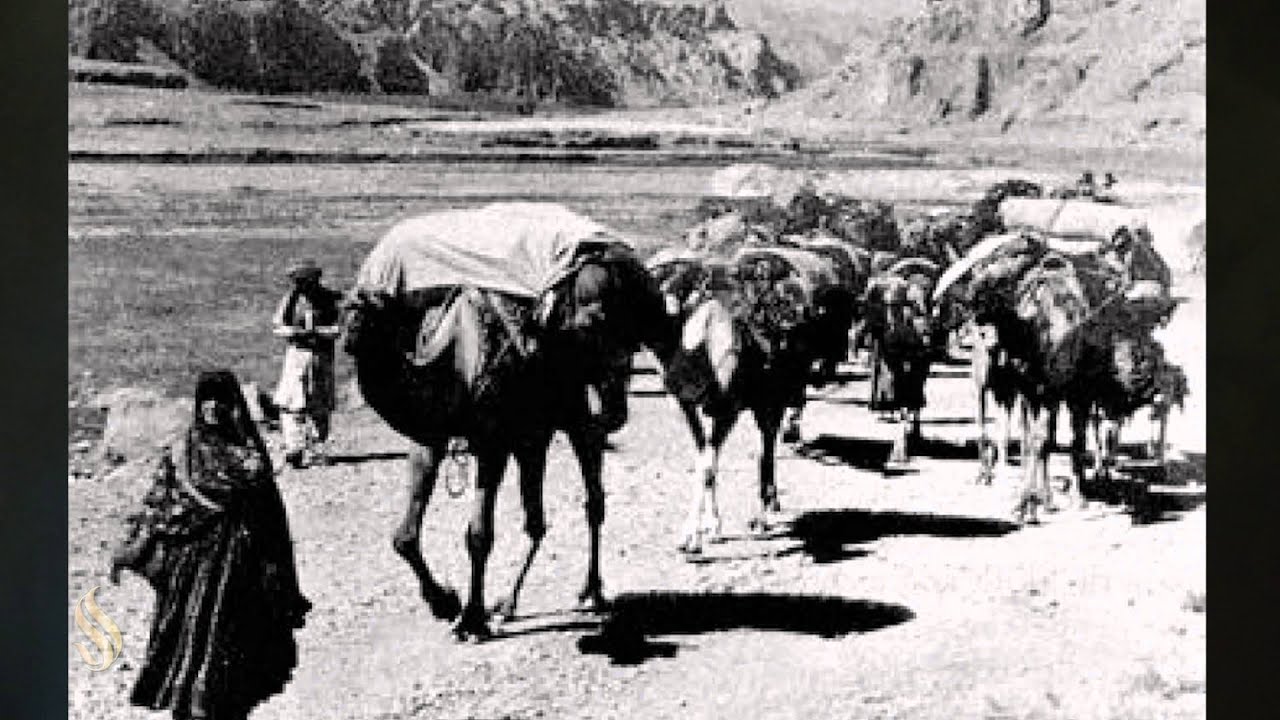
8 Behold, I am bringing them from the north country,
And I will gather them from the remote parts of the earth,
Among them those who are blind and those who limp,
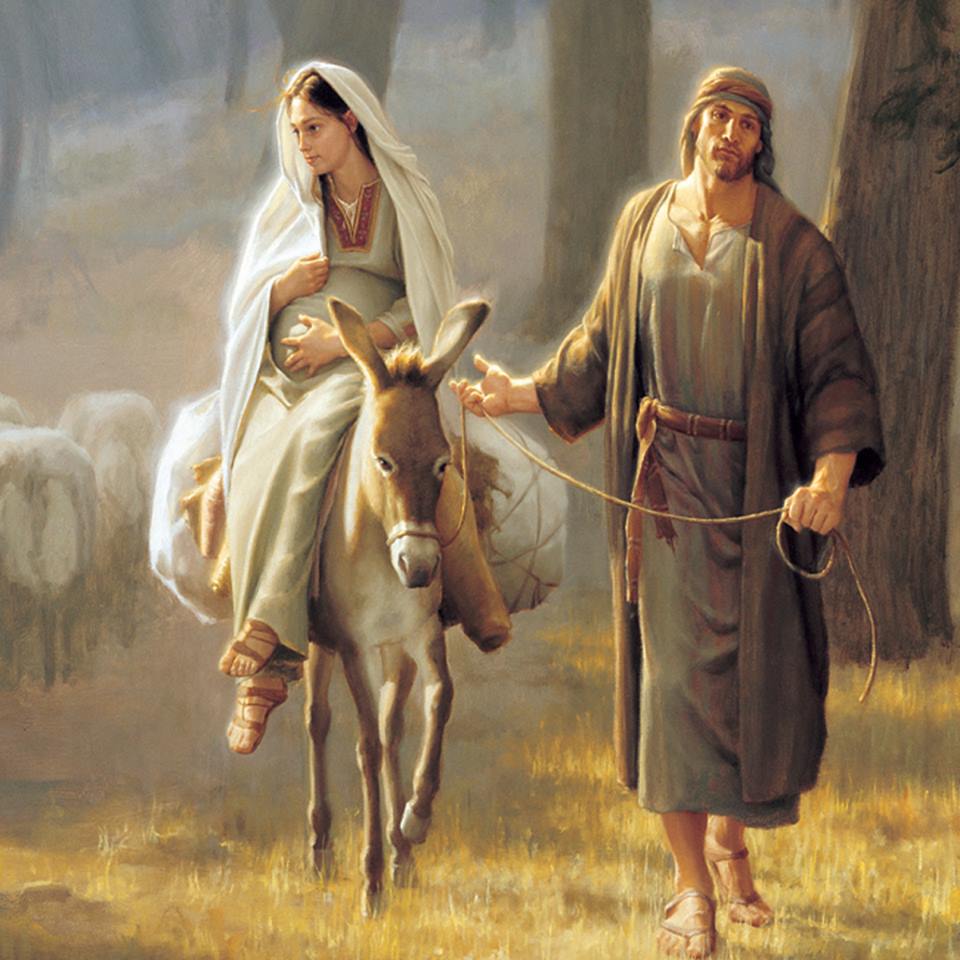
The pregnant woman and she who is in labor, together;
They will return here as a great assembly.
9 They will come with weeping,
And by pleading I will bring them;
I will lead them by streams of waters,
On a straight path on which they will not stumble;
For I am a father to Israel,
And Ephraim is My firstborn.”
You Will Not Stumble
10 Hear the word of the Lord, you nations,
And declare it in the coastlands far away,
And say, “He who scattered Israel will gather him,
And He will keep him as a shepherd keeps his flock.”
11 For the Lord has ransomed Jacob
And redeemed him from the hand of him who was stronger than he.
12 “They will come and shout for joy on the height of Zion,
And they will be radiant over the [b]bounty of the Lord—
Over the grain, the new wine, the oil,
And over the young of the flock and the herd.
And their life will be like a watered garden,
And they will never languish again.
13 Then the virgin will rejoice in the dance,
And the young men and the old together;
For I will turn their mourning into joy
And comfort them, and give them joy for their sorrow.
14 I will refresh the soul of the priests with [c]abundance,
And My people will be satisfied with My goodness,” declares the Lo
Jeremiah 31 sits in what scholars often call The Book of Consolation. Israel is powerless, scattered, traumatized, and exiled. Nothing in this passage is about Israel “getting it together.”
That matters.
God speaks as the primary actor throughout:
- I am bringing
- I will gather
- I will lead
- I will ransom
- I will turn mourning into joy
Israel’s role is not to wait for them to repent. His role is initiative! Their return is His doing.
Verse 8 Is Deliberately Shocking
“Among them the blind and the lame,
the pregnant woman and she who is in labor…”
In the ancient world, these are precisely the people who do not survive forced migrations. Empires leave them behind. Armies abandon them. Efficiency discards them.
God names them on purpose.
This is not poetry for tenderness’ sake, it is a redefinition of what those in power need to be about.
God Is Doing What They Cannot Do
Notice:
- The return is not heroic
- The people come weeping
- They come by pleading
- They are led on a path where they will not stumble
This is restoration without triumphalism.
Israel is not restored because it is strong again.
Israel is restored because God refuses to be a God who saves only the capable.
Shepherd Imagery: Not Control, But Care
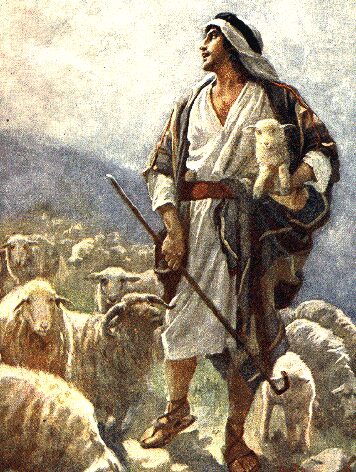
“He who scattered Israel will gather him,
and keep him as a shepherd keeps his flock.”
This matters deeply.
The same God who allowed scattering now assumes responsibility for regathering. It’s ownership of the whole story. And the story does not deny that there is suffering along the way. God plays the role of the shepherd
A shepherd:
- Adjusts pace to the slowest
- Protects the vulnerable
- Has no means of measuring worth by productivity
This frames verse 8: no one is left behind because the pace of salvation is set by the weakest.
Reading Through Richard Rohr’s Lens
Rohr often says: “God does not love you because you are good. God loves you because God is good.”
Verse 8 embodies what Rohr calls the logic of grace over the logic of merit.
In Rohr’s framework:
- The blind and lame represent the false self collapsing
- The pregnant and laboring represent new life emerging through pain
- The journey home is not escape from weakness but inclusion of it
This passage aligns with Rohr’s insistence that:
Transformation does not happen by climbing upward, but by falling into mercy.
God does not wait for Israel to become functional again before He returns to rescue them. God never left them. He was always with them waiting for them to realize their need for Him. He rescues the blind and lame because those are the only ones who turn to him for rescuing. It is not the strong and proud that turn to God for help. It is only when I realize how blind and lame I am that I turn to God to rescue me.
The Deeper Claim of the Passage
This is not just about no one being left behind. It’s also about the journey home.
And God defines it in such a way that:
- Strength is unnecessary
- Competence is irrelevant
- Dependence is not a flaw
The kingdom moves at the speed of love, not efficiency. Because love is messy. Love doesn’t follow a set of rules. Love can’t be put into a program. There is no 12 week course that graduates us into loving our neighbor. Love happens in the moment. Love only happens when we die to ourselves.
Too often in our churches we are seduced by the idea that we can create a program to teach discipleship. And create a program to reach out to the poor. And create a program to promote our programs. But it takes God and the Holy Spirit and coming face to face with the messes we make to see our blindness and realize our lameness and seek God’s rescue. You can’t create a program for that.
Holding It All Together
So without plucking verse 8 out of context, you can say this faithfully:
Jeremiah 31 proclaims a restoration initiated entirely by God, structured around mercy rather than merit, paced by the vulnerable rather than the strong, and completed not through triumph but through tenderness.
God is not merely bringing Israel back home. He is journeying with them. He is revealing who He has always been.