

Jesus had a way of cutting straight through the noise.
In Luke 12:13–21, someone from the crowd asks Jesus to intervene in a family dispute over an inheritance. Sounds reasonable, right? But Jesus doesn’t take the bait. Instead, he warns everyone listening:
“Watch out! Be on your guard against all kinds of greed; life does not consist in an abundance of possessions.”
Then he tells a story. A landowner has a bumper crop. He decides to tear down his barns and build bigger ones so he can store all his grain. Then he’ll kick back, eat, drink, and be merry.
But God calls him a fool.
“This very night your life will be demanded of you. Then who will get what you have prepared for yourself?”
And Jesus ends with this truth-bomb:
“This is how it will be with whoever stores up things for themselves but is not rich toward God.”
The American Dream vs. Jesus’ Warning
This parable flies in the face of the American dream. Everything in our culture tells us to do what this rich man did. Save. Build. Secure your future. That’s called success.
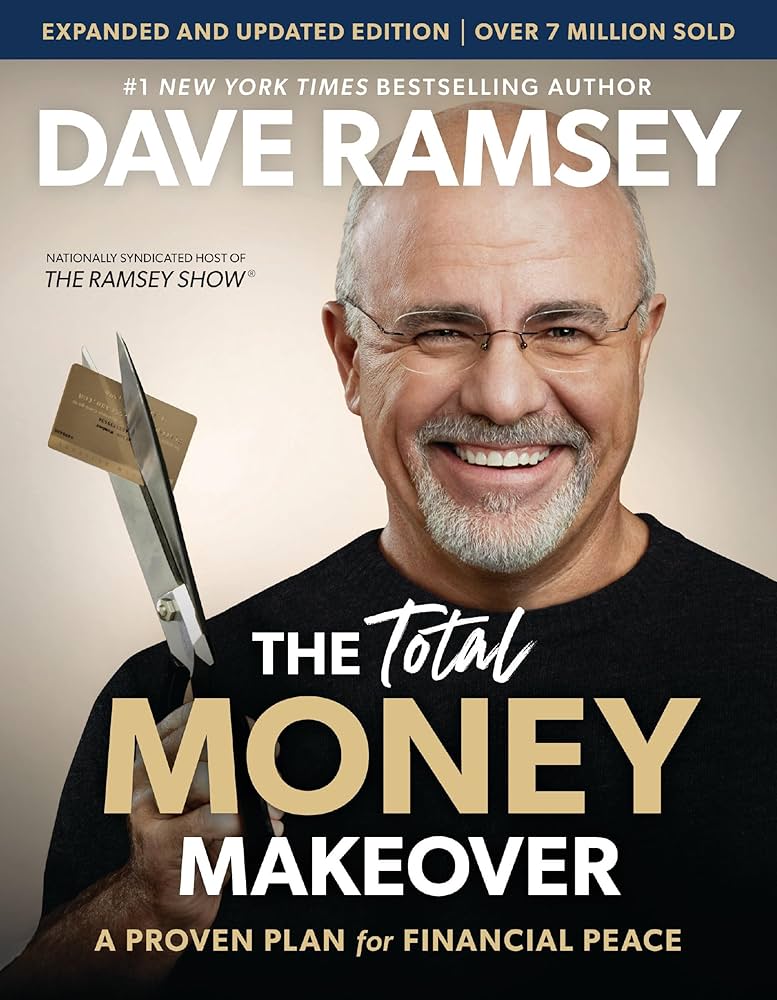
Even many well-meaning Christians embrace this mindset. Financial advisors like Dave Ramsey advocate for storing up—calling it stewardship. And Ecclesiastes even says, “Eat, drink, and be merry.”
But Jesus offers a very different lens. He says God called that man a fool. Not because he was wealthy, but because he wasn’t rich toward God.
Let me say this, I think Dave Ramsey is great! I’m not calling him out here. He is a good man doing good work. What I am saying is not to take his teachings and turn them into a license to hoard. I don’t think he is saying that either.
Why Being Rich Toward God Matters
Here’s the kicker: God doesn’t need anything from us.
Everything we have is already his. So why does Jesus call this man greedy?
Because wealth can erode trust. It makes us believe we’re self-sufficient. We start to say things like:
- “I worked hard for this.”
- “I made smart decisions.”
- “I sacrificed to get where I am.”
We say these things because they are true! But beneath all that is the subtle but dangerous belief:
“I don’t want to have to trust God.”
That’s what Jesus is confronting—not wealth itself, but the lie that wealth means independence from God.
The Backstory: A Dispute Rooted in Greed

The whole teaching starts with a request: “Tell my brother to divide the inheritance with me.”
This isn’t just a financial squabble—it’s a moment deeply embedded in cultural norms. Maybe it was a younger brother, or even a sister, hoping Jesus would correct an injustice in a system that favored firstborn males. Maybe they thought, “Jesus sees me. He’ll make things right.”
But Jesus doesn’t arbitrate. Instead, he speaks to both parties. He gets to the heart of the matter:
Greed. The way possessions fracture relationships.
You Didn’t Produce It—God Did
Notice how the rich man talks:
“What should I do? I have no place to store my crops.”
But the land produced abundantly—not him. And that land? A gift. The siblings fighting over inheritance? They didn’t earn it. It was given.
When we start believing we own what was really a gift, that’s where greed grows.
Everything we have—our money, our talents, our opportunities—comes from God. And being “rich toward God” means stewarding those gifts to bless others.
The Illusion of Safety
The rich man says to himself,
“Soul, you have many goods laid up for years. Relax, eat, drink, be merry.”
But how restful is that life, really? Hoarding wealth isn’t freedom—it’s anxiety:
- What if it runs out?
- What if someone steals it?
- What if disaster strikes?
Wealth without trust in God is a prison disguised as paradise. It often leads people into forms of self-destruction they couldn’t have afforded when they were broke.
When Daily Bread Is Enough
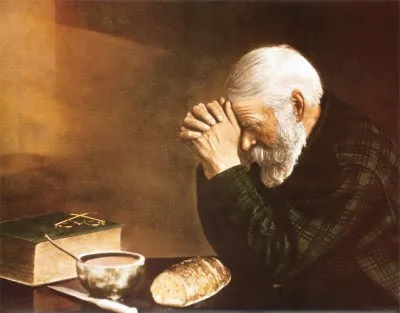
Jesus taught us to pray for “daily bread.” Not “barns full of bread.” Daily.
When God provides abundantly, being rich toward Him means looking for opportunities to bless others—not just store up more. That’s hard. Especially when the people we’re called to help seem, in our eyes, like fools.
“Why should I share what I earned with someone who didn’t work for it?”
But that’s not how God gives. He blesses the grateful and the ungrateful. The wise and the foolish. And when we give that way, we begin to understand God’s heart.
The Inheritance Trap
I’ve heard too many stories of families torn apart over inheritance. Maybe the real shift is to stop looking at earthly inheritance altogether—and instead, look to God for our inheritance.
Jesus said in Matthew 10:8,
“Freely you have received; freely give.”
Nothing reveals that truth more clearly than receiving something we didn’t earn—like an inheritance. Maybe we’re supposed to give it away. Maybe generosity is how we honor the God who gave it to us in the first place.
Did God Take This Man’s Life?
Let’s sit with the hard question:
Did God take this man’s life because he didn’t share?
It doesn’t say that explicitly. But it does say, “This very night your life will be demanded from you.”
If his death was inevitable—some random cosmic timing—then why would God call him a fool? If it didn’t matter, then why the warning?
I think the answer is yes. God ended his life in the parable.
And from our view, that sounds harsh. But God doesn’t see life and death the way we do. Maybe this was mercy. Maybe God was saving this man from a future he wasn’t equipped to handle.
There’s a quote I once heard (though I can’t recall who said it):
“For every 1,000 men who can handle adversity, only one can handle prosperity.”
I’ve found that to be true in my own life. When I’ve experienced success and wealth, the temptation to trust in myself grew just as fast. Prosperity didn’t make me more grateful—it made me more vulnerable.
True Joy Isn’t in Bigger Barns
Maybe God really does want us to eat, drink, and be merry—but not because we’re secure in our savings. Because we’re secure in Him.
I’ve seen this firsthand in places like Honduras while building homes. Some of the happiest, most generous people I’ve ever met had next to nothing. Their joy wasn’t in what they owned—it was in knowing they were loved and provided for.
If we believe joy comes from wealth, then we’ll move from striving to attain… to striving to protect. Either way, we’re trapped.
But if God is our provider, then eating, drinking, and being merry becomes a celebration of our dependence on Him. Not a declaration of our independence.
Closing Thought:
Being rich toward God isn’t about giving to get. It’s about living with open hands and trusting that everything we have is a gift. Whether we have much or little, may our lives be marked by generosity, gratitude, and the kind of joy that no barn can hold.