“The Lord is King; let the earth rejoice.” (Psalm 97:1)
At first glance, this opening line of Psalm 97 might just sound poetic. But there’s more going on here. Most scholars believe this psalm was written during a time of exile—when Israel had no earthly king and was under foreign rule.
To declare “The Lord is King” in such a moment isn’t just theological—it’s defiant. It’s not just poetic–it’s hope-filled. It’s a way of saying: Though it seems we’ve lost control, God hasn’t. Though kings come and go, the Lord reigns forever.
This King is not just our king, the God of Israel. He is King over all the earth.
And that changes everything.
A Vision Meant to Move Us
The psalmist doesn’t just want to inform us about God—he wants us to feel something.
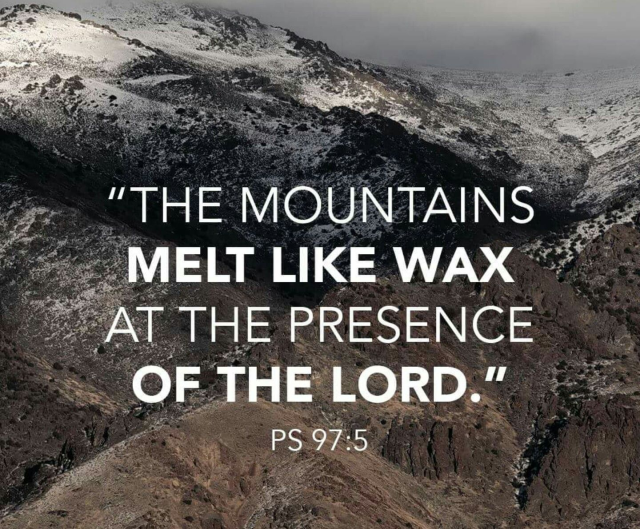
Clouds and thick darkness surround Him. Fire goes before Him. Lightning lights up His path. Mountains melt like wax in His presence.
“His lightnings light up the world; the earth sees it and is afraid… The mountains melt like wax at the presence of the Lord.”
(Psalm 97:4–5)
The psalmist is not offering sound theology. He’s offering a divine encounter.
We’re meant to be stirred.
We’re meant to tremble—and then rejoice.
Drop our pretentious idols and bow before something greater.
When We Truly See God, We Begin to Let Go of Our Idols
“The heavens declare his righteousness, and all the peoples see his glory.
Confounded be all who worship carved images and delight in false gods!
Bow down before him, all you gods.”
(Psalm 97:6–7)
There’s a shift here. These verses and not just poetry—the tell the story of the human heart.
When we begin to really see God for who He is, we begin to let go of what He is not.
The idols we trust, the false gods we cling to—power, control, security, success—they lose their shine in the light of God’s glory.
The psalmist is saying, in effect: The measure I am moved by the vast power and goodness of God, is the measure I will fully give myself to trusting Him.
Rejoicing in Power? Yes. But Also in Goodness.
“Zion hears and is glad, and the villages of Judah rejoice…”
(Psalm 97:8)
This God, this King, is fearsome and holy—but not destructive. His judgments aren’t arbitrary—they are liberating.
They protect, heal and restore.
Those who are oppressed and broken.
The psalmist isn’t terrified—he’s inspired.
And he invites us to rejoice. Not because the King is fearsome, but because this King is good.
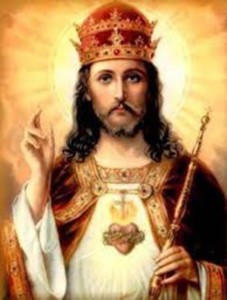
The More We See God, the More We Love What He Loves
“The Lord loves those who hate evil;
He preserves the lives of his saints and delivers them…”
(Psalm 97:10)
Seeing God clearly doesn’t just change how we feel—it changes what we value.
We start to love what God loves: justice, kindness, truth.
So naturally our response is that we want to protect the vulnerable, just like He does.
We want to walk in the light, not to be seen—but because we’ve seen something better.
Joining the King in His Work
This isn’t just poetry. It’s purpose.
The psalm ends with joy for the righteous—those who align their hearts with God’s heart.
“Light has sprung up for the righteous, and joyful gladness for those who are truehearted. Rejoice in the Lord, you righteous, and give thanks to his holy Name.”
(Psalm 97:11–12)
The joy isn’t forced—it’s flowing. From lives that are connected to the King and joined in His work.
A King Who Brings Order from Chaos
Psalm 97 echoes back to the creation story. God didn’t just create the world—He brought order from chaos.
And He’s still doing that today.
When we place our trust in earthly rulers, or in ourselves, we invite chaos back in. But when we trust in the Lord, we partner with the One who patiently works to restore order, even in our disorder.
Final Thought
So much of this psalm is about vision—what we see.
When we see only our circumstances, we tremble, we feel anxious, we grasp for control.
But when we lift our eyes and see that “The Lord is King,” we rejoice.
Even to the distant isles—every corner of creation—hope and joy are found.
Because the King is here.