
Evil and corruption seem to be the result of chaos and chaos brings more evil and corruption. On the other hand, goodness seems to be the result of order and order seems to lead the way to more goodness.
Order Leads To Disorder
Isaiah opens his prophetic book with a blunt truth: God’s people have rebelled. From the reign of Uzziah to Hezekiah, they wandered away from the God who raised and cared for them. They abandoned Him despite His goodness. Even animals know their master, Isaiah says—but God’s children keep turning their backs.
The scene he describes is bleak. They are a nation weighed down with guilt (Isaiah 1:4). Corruption has infected every level of leadership—rulers have become rebels, chasing bribes while ignoring the orphan and widow (Isaiah 1:23). Their land lies desolate, their cities burned, their fields devoured by strangers (Isaiah 1:7). Spiritually and morally, they are wounded from head to toe, with no one to bind up their injuries (Isaiah 1:6).
From Genesis onward, this is the recurring story: God loves His people, but His people choose rebellion. And rebellion always leads to ruin.
God’s Disgust with Fake Religion
They still keep up their religious appearances—bringing sacrifices, burning incense, holding festivals—but God is unmoved. Their offerings are worthless, their incense detestable, their assemblies unbearable (Isaiah 1:13–14). Even their prayers go unheard, because their hands are full of blood (Isaiah 1:15).
The problem isn’t that they’re worshiping the wrong way—it’s that their worship has no love behind it. They honor God outwardly while trampling on the very people He cares about. So He tells them plainly: wash yourselves, stop doing evil, learn to do good, seek justice, defend the oppressed, take up the cause of the fatherless, and plead the case of the widow (Isaiah 1:16–17).
The Invitation
Even in His anger, God offers an open door: “Though your sins are like scarlet, they shall be as white as snow” (Isaiah 1:18). If they are willing and obedient, they will eat the good of the land (Isaiah 1:19). If they refuse, they will be devoured by the sword (Isaiah 1:20). It’s not too late—but the choice is urgent.
Corruption at the Core
God names their deeper sickness: the faithful city has become a prostitute, selling itself in the political marketplace (Isaiah 1:21). They have traded justice for violence, cheapened their value (Isaiah 1:22), and abandoned the vulnerable (Isaiah 1:23). They think they are playing the political game well, but they have traded away their dignity.
God promises to step in—not to destroy them, but to purify them. He will confront their enemies (Isaiah 1:24), refine them like metal in the fire (Isaiah 1:25), and restore judges and counselors who will lead with righteousness (Isaiah 1:26).
Order, Chaos, and the Way of Love
Running through Isaiah’s rebuke is a timeless truth: goodness creates order, evil creates chaos. Corruption doesn’t just stain the soul—it unravels the fabric of life. Cities burn, leaders fail, and the vulnerable are left unprotected. Without justice and love, life spirals into disorder.

But here’s the danger: order itself can become an idol. The Pharisees in Jesus’ day are the prime example. Out of a desire to honor God, they built layer upon layer of rules, traditions, and safeguards. But somewhere along the way, the structure became more important than the purpose. The rules became their god.
Love is messy. It often requires letting chaos into our lives so that healing and restoration can happen. But the Pharisees feared that mess. To them, anything unclean, unpredictable, or disruptive was a threat to their carefully managed world. They worked so hard to preserve order that they shut out the very love that would have fulfilled the law they claimed to keep. Their “order” was sterile—neat and tidy, but void of compassion, grace, and the heart of God.
Neglect Breeds Isolation
On the other end of that is neglecting the things the keep order in our lives. Neglecting the order God calls us to, that is common to all of us, doesn’t just create chaos—it isolates us from people.
When we don’t keep up with the maintenance life requires, we start to hide. We didn’t follow through on something someone needed, so we avoid them. We haven’t kept up our home, so we stop inviting people over. We’ve neglected our vehicle and now we feel like a burden for needing help. We meant to send that email but didn’t. We still haven’t mailed that check. We forgot to make that appointment.
Each undone thing piles up—not just in our to-do list, but in our hearts. The weight of it makes us embarrassed, so we shrink back from community. The mess becomes a wall between us and others. Ironically, it’s often in relationship that we could find the help, encouragement, and accountability we need—if we’d only step back into the light.
Keeping up with the small mundane chores that are a part of life is not just us being organized—it is us loving neighbor.
God’s Way of Restoring Order
In Genesis, God created order from chaos, then placed humanity in it. We were made for an ordered world. Jesus embodied what love as order looks like—healing bodies to restore wholeness (Mark 5:34), casting out demons to restore clarity and peace (Luke 8:35), forgiving sins to restore relationships and dignity (John 8:11).
God’s order isn’t sterile. It’s vibrant, living, and rooted in love. It doesn’t come from shutting out what’s messy—it comes from stepping into the mess with love that transforms.
The Hard Work of Keeping Order
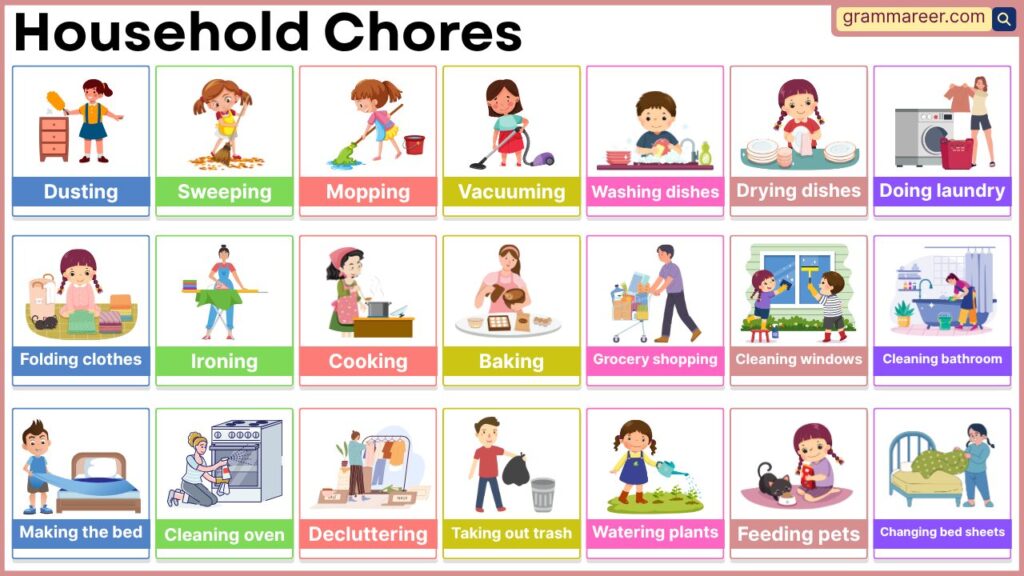
But keeping order is not easy. It’s daily, unglamorous, and requires discipline. Neglect is easier, and in some ways more fun and more socially acceptable. But neglect is where life begins to slowly unravel, one strand at a time.
God has built joy into the discipline of order. Ecclesiastes reminds us there is nothing better than to eat, drink, and find satisfaction in our work—not in big achievements, ultimate wisdom, or vast wealth, but in the simple, steady, faithful work of tending what we’ve been given.
The Cleaning Agent is Love
At the heart of God’s vision is love. Love is what cleans the mess. Love is what guards the order. Love is what makes the hard work worth doing. When we keep our lives in order so we can serve others, we reflect God’s heart. But when we keep order just to impress others, we’ve already lost love—and stepped into the Pharisee’s trap.
God’s call in Isaiah 1 is clear: rejecting Me leads to chaos, corruption and misery. Loving Me brings goodness and order and joy.
Because to love is to do the will of God. And to do the will of God is to bring life, goodness, and peace to the world—starting with your little corner of it.