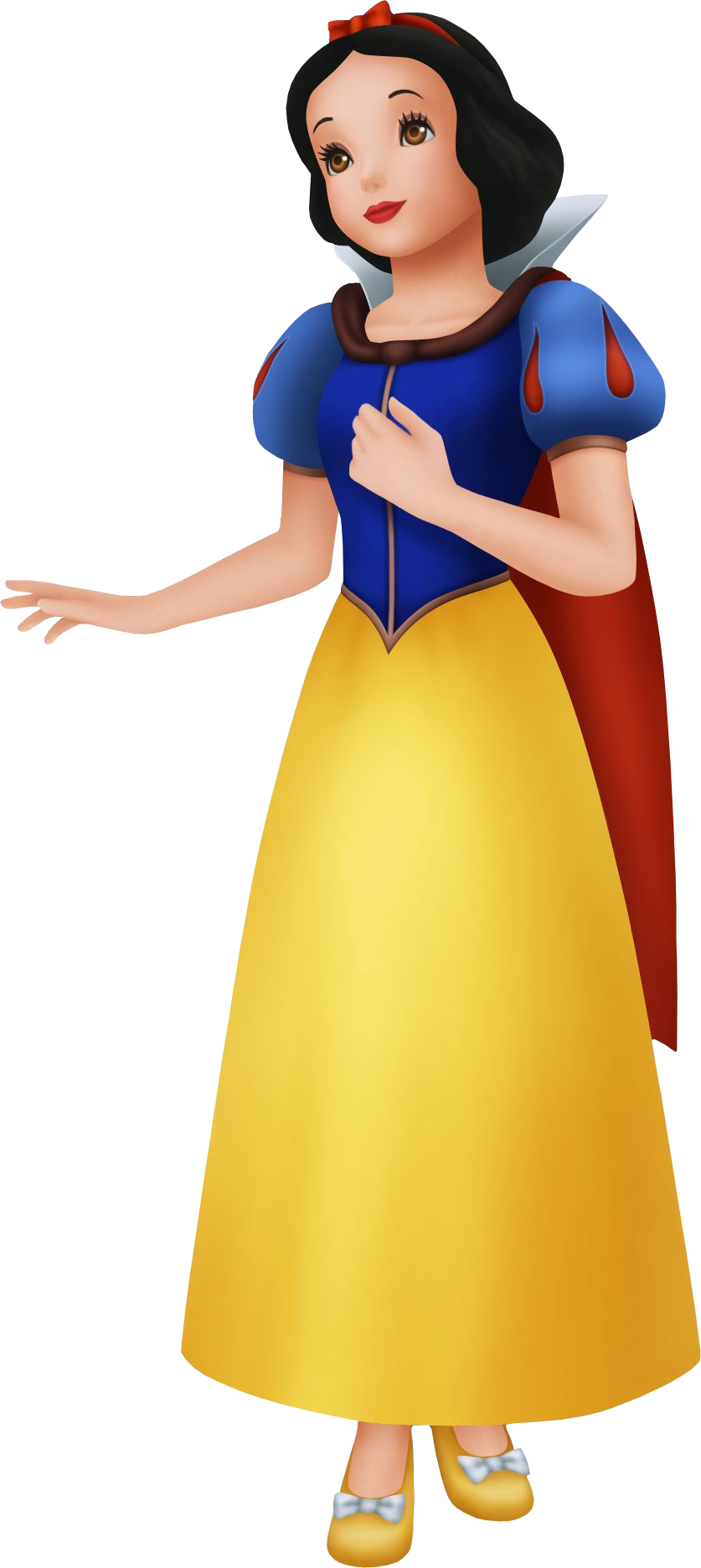
If you grew up watching Snow White, you probably remember it as a simple fairytale: a beautiful princess, a jealous queen, seven quirky dwarfs, and a magical kiss that brings everything back to life.
But if you sit with it long enough, Snow White starts sounding more like an ancient parable disguised as a children’s story, perhaps even a cautionary tale about identity, envy, aging, innocence, and the cost of believing the wrong voice.
And the deeper I look at it, the more I even see echoes of the Garden of Eden dropped in this story.
The Mirror and the Lie We Tell Ourselves
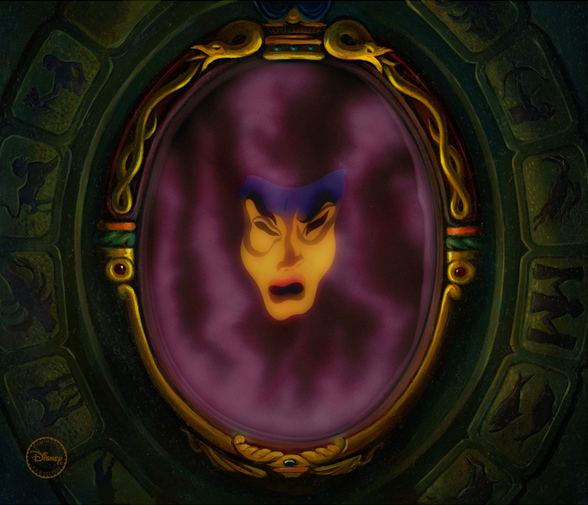
The villain in Snow White an aging Queen, and truth and reality, played by a mirror, finally hits her. She can’t deny the signs of aging and slips into a deadly trap. The queen, has built her kingdom on her beauty. Physical beauty is a gift to those who have been bestowed with it.
As all girls do, the queen realized at a young age the power that she has over others because of her physical attractiveness. Because others over valued her beauty, she believed that all of her worth was only found in her beauty. So as her beauty fades, she fears the loss of her worth. She becomes desperate. She feels threatened by anyone who is “fairer” than she is.
Truth Reflected Back at Us
Up to this point the mirror told her what she wanted to hear. Up to this point the truth, the reality, is that she was the most beautiful. That’s not the answer she received one day and the mirror…
The mirror doesn’t lie…
But maybe she just asked the wrong question. Maybe she needs to start asking better questions.
The Queen is enslaved to the belief that her worth is solely based on her appearance. She doesn’t ask, “Am I kind? Am I loving? Am I growing?” She asks:
“Am I still the most beautiful?”
Her identity hangs on comparison, not truth.
That sounds uncomfortably familiar in a world of:
- filtered faces,
- social media validation,
- global comparison,
- and a billion digital mirrors.
Maybe in our own little towns we might be pretty good at something or we might be homecoming queen. But we don’t live in our hometowns anymore. And haven’t for a long time. Hollywood brought us a nation to live and compare ourselves in. And now Facebook, Instagram and TikTok bring us a global stage.
Proverbs 31:30 says it plainly:
“Charm is deceptive, and beauty is fleeting;
but a woman who fears the Lord is to be praised.”
The Queen cannot adapt to that wisdom. She clings to beauty because it is all she has. It is her salvation. But in doing so, she loses her soul.
The Seven Dwarfs and the Imperfect Self
Snow White flees to the forest, and instead of royalty, she finds imperfection.
Dopey.
Grumpy.
Sleepy.
Bashful.
Sneezy.
Happy.
Doc.
They’re exaggerated fragments of humanity — the parts we often hide or shame. They are awkward, silly, inconvenient… but also loyal, honest, and full of heart.
They represent the truth that:
We are not one polished ideal — we are a community of imperfect traits learning to live in harmony.
Paul says something similar in Romans 7 — the inner divided self, full of contradictions — yet still beloved and redeemable.
The Apple: A Tale as Old as Eden
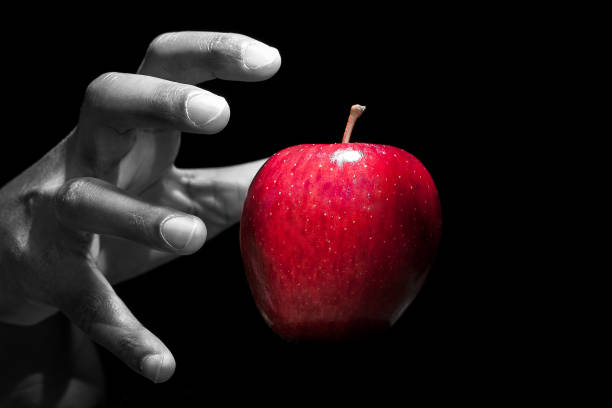
Here’s where the story gets strikingly biblical.
In Genesis, the bite of forbidden fruit awakens humanity:
“Then the eyes of both of them were opened…” — Genesis 3:7
Eating the fruit brought consciousness, moral agency, and the burden of knowing good and evil.
But in Snow White, the apple reverses the curse it shuts awareness down.
It is perhaps a symbolic return to innocence, vulnerability and our neediness.
It’s unconsciousness.
Suspended identity.
A life paused.
Where Eden’s apple awakened self-awareness and with it shame, Snow White’s apple suspends her awareness.
Awakening: Not Knowledge, but Love
And here’s the most profound reversal:
Snow White is not awakened by logic, wisdom, correction, or another fruit.
Warning: While this may be taken as a bit creepy and triggers consent issues, understand that this is a fairytale and symbolic of ideals.
She is awakened by a prince’s kiss. A prince, a representation of all that we believe to be good and true. A kiss, a symbol of love, true love.
Not sentimental love — transformative, self-giving love.
The kind of love that never fails (1Corinthians 13:8) or that is perfect and casts out fear. (1John 4:18)
And then Snow White experiences her own “resurrection”!
“Awake, O sleeper, and rise from the dead,
and Christ will shine on you.” — Ephesians 5:14
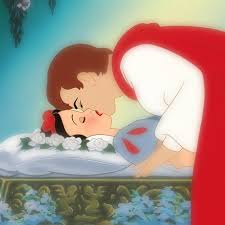
Snow White’s has a death to life experience. A resurrection!
She becomes conscious again — not through her own goodness or moral purity — but by grace.
The Garden Restored
When Adam and Eve ate the fruit, they were exiled from the garden.
When Snow White eats the fruit, she is placed in what looks like a garden tomb — glass, flowers, beauty, waiting.
And like every resurrection story worth telling, she returns changed.
Not naïve.
Or vain.
Or fearful.
Alive… because of love.
So What’s the Warning?
Fairytales are rarely just “stories.”
They’re road signs.
Snow White warns us about:
- Chasing identity through comparison
- Valuing youthfulness over maturity
- Asking the wrong questions
- And using beauty as a currency rather than enjoying it as a gift.
It reminds us that the soul cannot be sustained by vanity — only by love.
Because the truth is:
Beauty fades.
Envy destroys.
Fear isolates.
But love resurrects.
And in a world with endless mirrors, real and digital, the question is no longer:
“Am I still young and beautiful?”
but:
“Am I becoming more what love looks like?”
Because that, not our skin’s elasticity, our hair’s lack of gray, our status, or how many followers we have, is what makes a person truly beautiful.