
Deuteronomy 26:16–19
16 “This day the Lord your God commands you to perform these statutes and ordinances. Therefore you shall be careful to perform them with all your heart and with all your soul. 17 Today you have declared the Lord to be your God, and that you will walk in His ways and keep His statutes, His commandments, and His ordinances, and listen to His voice. 18 And the Lord has today declared you to be His people, His personal possession, just as He promised you, and that you are to keep all His commandments; 19 and that He will put you high above all the nations which He has made, for glory, fame, and honor; and that you shall be a consecrated people to the Lord your God, just as He has spoken.”
How did the Israelites actually hear this passage in their day? So much shapes how we read it and almost none of it shaped how they heard it.
Reading With Old Eyes
When we read “the Lord,” we instinctively think of Jesus. They didn’t. The Lord they knew was the One who brought them out of Egypt and into the promised land — through the conquest of other nations. Through battles. Through the killing of men, women, children, and livestock.
Deuteronomy itself was shaped and re-shaped, especially during and after the Babylonian exile. Most of the people hearing it couldn’t read. They were agrarian. Tribal. Dependent on land, rain, and survival. So what did covenant language mean to them?
And when the passage says, “to obey him,” how is that different from “walk in his ways” or “keep his statutes and commandments”? What did obedience mean before theology became systematic, before faith became private, before Scripture became something you read alone with coffee in the morning?
If we’re going to understand this passage, we have to step back into their world.
They Did Not Think of “The Lord” as Jesus
When the text says “the LORD your God,” it refers to YHWH, the covenant God revealed to Moses at the burning bush (Exodus 3).
For an Israelite in Moses/Joshua’s day, “the LORD” meant:
- The One who brought them out of Egypt
- The One who split the sea
- The One who fed them manna
- The One whose presence rested in the tabernacle
They weren’t thinking of Trinitarian God. They were thinking more of the God of Exodus. The God that led them to conquer other nations
The identity marker wasn’t philosophical theology. And it certainly wasn’t “love your enemies”. It was deliverance.
“The God who rescued us now commands us.”
The Conquering God
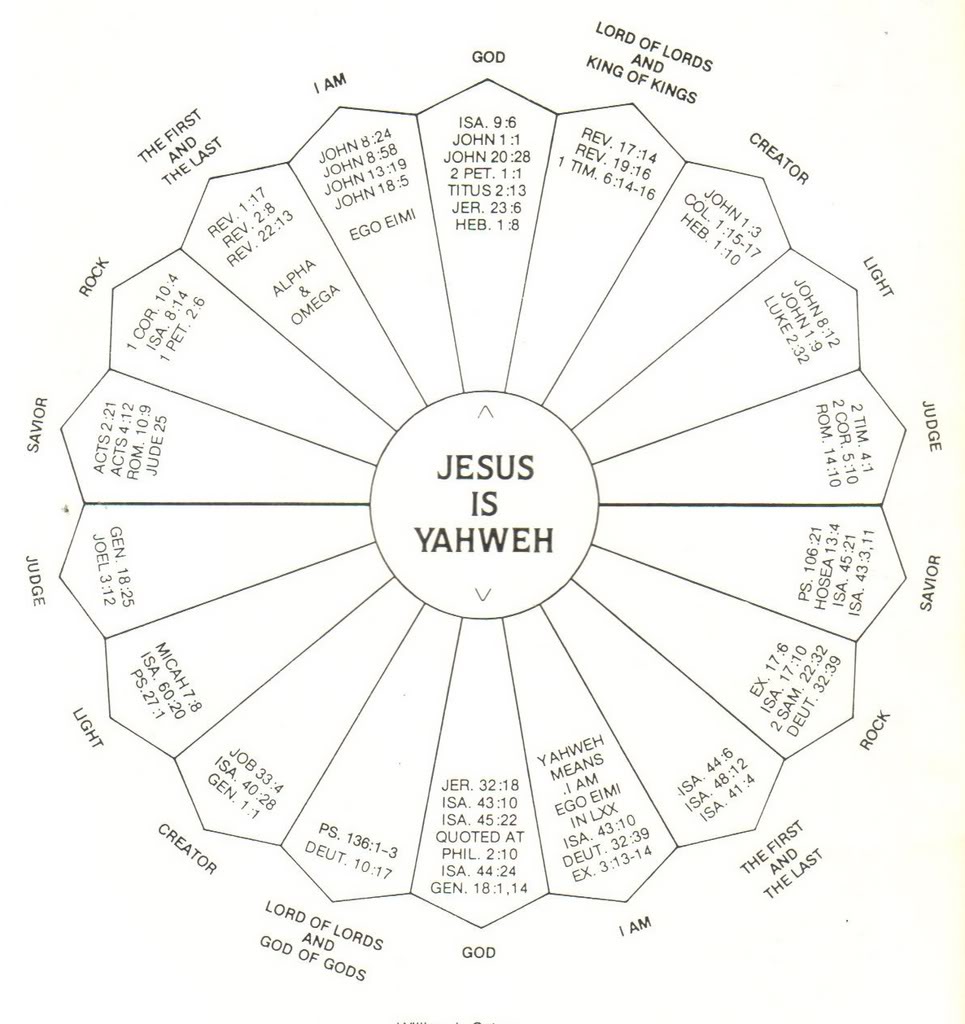
We, as Christians like to say, “God is the same today, yesterday and always.” If we really believe that then how do we square with the OT passages of an often bloody trail marked by death that He seemingly led the Israelites to “the Promised Land”?
Here’s how they likely understood it:
- They lived in a brutal Ancient Near Eastern world.
- Nations rose and fell through warfare.
- Every nation believed its god fought for it.
Israel believed YHWH was not just stronger, but morally distinct. The conquest was framed not merely as expansion, but as:
- Judgment on Idolatrous corruption
- Protection from sin
- Establishment of covenant holiness
The average Israelite didn’t hear Deuteronomy 26 as “God loves violence.”
They heard it as:
“The God who defeated Egypt and brought us here now claims us as His people.”
In their mind, obedience wasn’t about moral philosophy. It was survival and identity.
Deuteronomy and Later Editing
Most scholars believe Deuteronomy was shaped and edited during or after the Babylonian Exile.
During exile, Israel had:
- Lost the land
- Lost the temple
- Lost political independence
So when they heard Deut 26 read aloud, it wasn’t just ancient history. It became:
“We broke this covenant. That’s why we’re here.”
They Couldn’t Read
Literacy was rare. It wasn’t like it is for us today where everyone can read. When this was written…or re-written, almost no one could read. Only the priests and kings and those in power knew how to read.
Texts were:
- Read publicly
- Memorized
- Recited
- Sung
This would have been heard in a gathered assembly. Which is another way we step out of our modern context and put ourselves in their context. We tend to think about the Lord as our “personal savior”. No one thought that way about YHWH. YHWH saved them as a nation and as a nation they were called to be His people. So when this was read, you have to imagine standing among thousands and hearing:
“Today the LORD has obtained your agreement…”
This was not read in someone’s morning quite time. This was read to the nation. It’s communal. No one privatized this because they couldn’t. It needed to be read to them.
Nomadic Farmers

They were agrarian people dependent on rain, soil, livestock, and protection. That’s why the land was so important to them as God’s people. God’s blessings were born out of the earth, the very soil they tended. Obedience was not abstract theology.
It meant:
- Crops surviving
- Enemies not invading
- Children living
- Herds multiplying
“Holiness” meant being set apart from surrounding nations so they would not lose their distinctiveness.
“Obey Him” vs. “Walk in His Ways”
The Hebrew verbs overlap but carry nuance.
- Walk in his ways → Imitation of God’s character (justice, mercy, covenant loyalty)
- Keep his statutes/commandments → Guard and observe specific covenant laws
- Obey him (literally “listen to his voice”) → Relational responsiveness
“Obey” here is less about rule-keeping and more about:
Hearing and responding.
It’s covenantal listening.
So the structure is almost progressive:
- Walk like Him
- Guard His commands
- Listen for His voice
Together they create transformation. How we behave. Where are loyalty lies. Who we trust and allow to influence us.
How the Average Israelite Likely Heard This
They were not theologians, they were farmers so this was not abstract doctrine, nor was it for their quiet time devotionals. I’m guessing that this is how they read it:
- We belong to this God.
- He chose us.
- We agreed to this covenant.
- If we stay loyal, we flourish.
- If we abandon Him, we collapse.
It was identity-forming language.
Covenant Language
The word covenant is not a word that is used much in everyday language. It is used when we are talking about theological subjects pertaining mostly to the bible. It is often used during weddings. I recently heard a pastor compare a covenant to a contract and then explain the difference. He said a lot of good things and I don’t remember everything he said but I think his main point was that a covenant was a forever commitment that could only be fulfilled whereas a contract was for a set time and could be broken if certain terms weren’t met.
I liked that. After reading this, here is what I would add to that.
A contract says: Here is what I expect from you and you are obligated to fulfill this.
A covenant says: Here is what you can expect from me and I am obligating myself to fulfill this.