
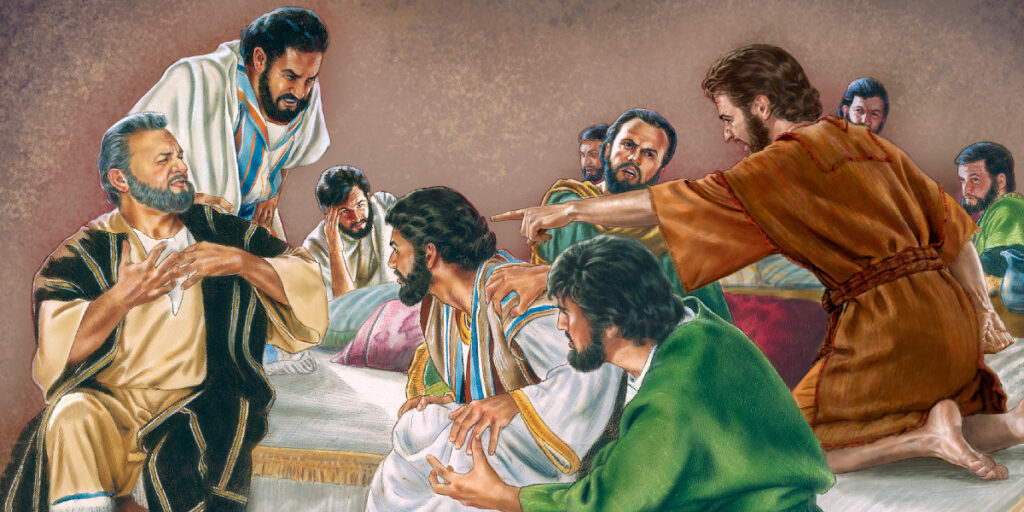
In Luke 22:24–30, Jesus’ disciples are arguing. Not about theology. Not about miracles. They’re debating who’s the greatest.
We tend to roll our eyes and think, “How immature. They’re just being petty.” But maybe they weren’t.
After all, they’d spent years with Jesus. They had seen him call on different people for different moments. Peter gets bold assignments. John leans close. James is in the inner circle. Isn’t it natural they’d start to wonder how they ranked?
Don’t we do the same? We notice which sibling our parents trust more. Which employee the boss relies on most. Who always seems just a step ahead. The disciples weren’t being cartoon villains of pride. They were being human. Just like us.
Jesus Flips the Script
Jesus steps in and acknowledges something obvious: in this world, authority works like a hierarchy system.
You’ve got those who are the head of the table, those who are at the table, and then those who serve those at the table. Everyone knows the pecking order. That’s how power works.
But then Jesus shocks them:
“I am among you as one who serves.”
He’s at the head of the table—and yet, he’s serving. He takes the entire system and flips it upside down.
The Confusing Part: Thrones and Judgment
Here’s where it gets tricky. Right after remapping the path to greatness as becoming a servant, Jesus tells his disciples they’ll “sit on thrones judging the twelve tribes of Israel.”
Wait. Thrones? Judging? Isn’t that the hierarchy system again?
If greatness in God’s kingdom is about serving, why would the reward be… ruling? Why would Heaven give back the very thing Jesus just tore down?
That doesn’t add up.
What If We’re Reading “Throne” Wrong?
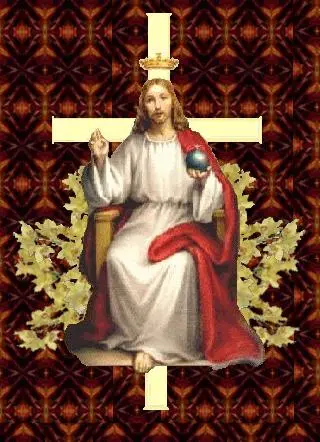
What if the throne Jesus had in mind wasn’t a golden chair—but the cross?
His throne was the cross. His crown was made of thorns. Ruling looked like dying to himself.
And he was inviting his disciples into the same.
So when he talks about conferring a kingdom, sitting on thrones, and judging the tribes—it’s not about status. It’s about real power. It’s about LOVE. Their lives, laid down in service, would stand in judgment of the world’s systems of power. That is real power. It doesn’t come from positions or titles. It comes from being plugged into God rather than man.
Judgment isn’t about crushing others. It’s about setting things right. And in Jesus’ kingdom, what sets things right is mercy, love, forgiveness, and self-giving service.
That’s exactly what we pray for every time we say the Lord’s Prayer:
“Thy kingdom come, thy will be done, on earth as it is in heaven.”
In Heaven, God serves man. He answers our prayers. God takes returns our sinful behavior with mercy and forgiveness. We reject, betray and don’t trust him and He continues to pursue us. Jesus life shows us how to bring that reality into our world now.
What It Means for Us
If that’s true, then the thrones we’re called to sit on are our own daily crosses. The places we are led to die to self, to put others ahead, to serve when no one’s watching.
That’s what it means to rule with Christ. Not by climbing over others—but stooping down to serve them. Not by striving to get ahead, but by putting others first.
And that’s why Jesus’ kingdom will always look upside-down to the world. It’s Heaven’s values breaking into earth. Our kingdoms don’t really work. We hoard resources and protect them through war and violence and an “us-vs-them” mentality. God’s kingdom is one of sharing resources, seeking peace and fairness and justice.
Final Thought
The disciples argued about who was greatest. Jesus didn’t shame them for asking the question. He simply redefined the answer.
Greatness isn’t measured by thrones the way the world sees them. Greatness is measured by how much we love. Love that looks like serving others.
So maybe the real question for us isn’t: “How high can I climb?”
But: “How low am I willing to go for love?”