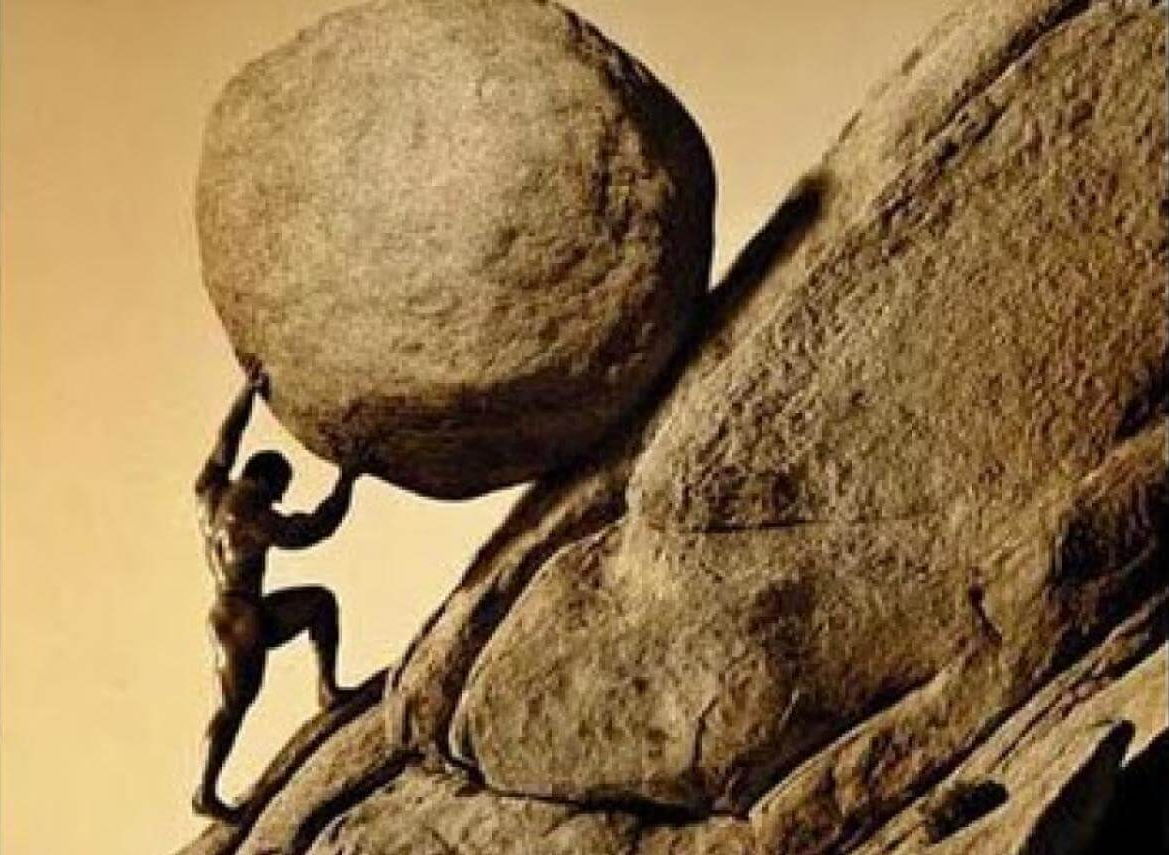
What happens when people trade the fountain of living waters for broken cisterns that cannot hold water? Jeremiah’s words still echo across time, calling us to examine where we have exchanged God’s abundance for emptiness. Whether we do this as a community, a church or as individuals, we all get off track from time to time. We get tricked into falling for a lie we want to believe. The garden story over and over. There is always something that seems better than what God offers us. We thing creating our own meaning the way to go, but it never is.
The Pattern of Drifting from God
This passage starts where we all start when we find ourselves living a life that is broken and not working. It starts with a question. We often believe we are the ones who start the question with God. Like, “Where are you?” or “Don’t you care?” or “Why is my life so empty?” Jeremiah reveals that it is God who initiates the conversation with us. Getting to the heart of the matter quickly, He asks, “What are you holding against me?”
Though we will never admit it, it starts with us finding some fault in Him. Often it’s subtle—some test, disappointment, or moment where we choose our own idea over trusting God’s way. We rarely see it as fully turning our backs on Him. Instead, it feels like a small adjustment, a compromise. “What God asks seems a bit unfair,” we think. “Surely my way makes more sense.” So we justify doing what we think is best.
But when we do, we come up empty. And instead of admitting we were wrong, we often stay stuck. Like the prodigal son before he came to his senses, we sit in our circumstances and accept them as our fate. The Israelites never asked, “Where is the Lord?”—the very God who had RESCUED them from slavery, GUIDED them through the wilderness, and PLANTED them in a land of abundance.
God Welcomes Our Questions
How do you go through that and then abandon Him? Why didn’t they seek Him? Why weren’t they curious? Why didn’t they stop and remember His incredible works and ask, “Why are we not seeking Him?” Instead, they saw what was right in front of them—a life that felt more secure than relying on God. They saw homes, careers, relationships, self-made images—and chose those over God. All while feeling entitled to this land of abundance.
And God, in his love and mercy, sees their ingratitude and yet doesn’t kick them out of the land. He allows them to defiled the land. Judas was not the first time God loved someone as his own only to be betrayed by them. And we may wag our finger at Israel but isn’t that what we do when we reject God’s goodness for our own pet sins.
God doesn’t strip us of His blessings. Instead, in love, He confronts us. He asks, “Why are you not seeking Me? Why are you defiling the goodness I’ve given you? Why are you chasing what you know is empty?” Every time we come up dry, dissatisfied by what we thought would bring meaning, perhaps God is there in that moment—waiting, asking, “What injustice have I done that you would stray so far and chase emptiness? Just stop and look for me. I’m right here. Why don’t you ask where I am?”
Chasing Emptiness Leads to Emptiness
Jeremiah frames it simply:
“What injustice did your fathers find in Me, that they went far from Me and walked after emptiness and became empty?” (Jeremiah 2:5)
When we chase emptiness, we ourselves become empty.
Rejecting God’s Abundance
God gave His people a land filled with goodness, but they defiled it. Priests no longer sought Him, rulers rebelled, and prophets spoke in the name of Baal. Instead of showing the nations the beauty of trusting God, they squandered their calling.
This is our mirror today. Rather than living in gratitude and participating in God’s generosity, we often indulge, hoard, and reject Him. In doing so, we corrupt what He’s entrusted to us—and then wonder why we feel empty.
The Two Great Evils
Jeremiah names the heart of it:
“My people have committed two evils: They have abandoned Me, the fountain of living waters, to carve out for themselves cisterns, broken cisterns that do not hold water.” (Jeremiah 2:13)

God is a fountain—overflowing, uncontainable, life itself. And as a fountain we must continually return to Him. Just as Jesus taught us in the Lord’s prayer, “Give us this day our daily bread.” We must come to God daily and drink life from him. That is a major inconvenience for the life we’d rather live.
We are much like Israel today. Israel wanted a God they could carry with them. They wanted control. A cistern they could fill and drink from at their convenience. But here’s the tragedy: broken cisterns cannot hold living water. In fact they can’t hold any water. They leak. They leave us empty every time we return to them, hoping for refreshment.
Idols and Cisterns
This is exactly how idols work in our lives today. We carve out cisterns for ourselves—success, money, careers, status, even relationships. We believe they will hold the life we crave. And sometimes, at first, they seem to. The promotion feels like our hard work payed off. The new relationship feels finally we too found love. The bigger house feels like a blessing. There is nothing wrong with any of that. Those are good things in life. But when we expect them to give our life value and meaning, the when we come to them thirsty, we find the cistern is empty. The water leaked out.
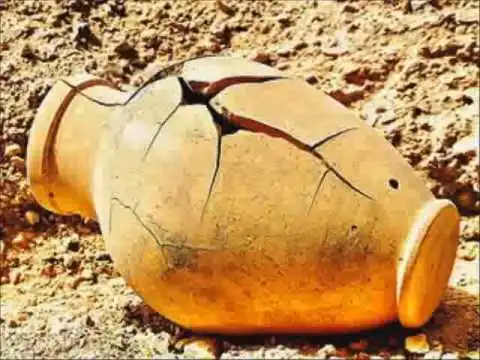
So we work harder, hustle longer, chase more. We pile up money, achievements, and followers, yet the cisterns never hold. They cannot, because only the fountain of living waters gives life that lasts. Everything else is cracks and leaks, leaving us parched again.
That is why idolatry is so devastating. It’s not just that the cisterns fail, it’s that they fool us into thinking they will work this time. But they never do.
Only the fountain of living waters can truly satisfy. Everything else leaks away.
When Emptiness Feels Existential
The emptiness Jeremiah describes is not just poetic, it’s real. Philosophers like Jean-Paul Sartre and Albert Camus tried to face that void head-on. Sartre argued that life has no built-in meaning and that we must create our own through radical freedom. Camus called the human condition “absurd,” yet urged us to rebel by living passionately and embracing the struggle anyway.
Their words are honest about the ache, but Jeremiah shows us why the ache exists in the first place. We are thirsty for meaning because we were made for the fountain of living waters. When we carve out cisterns of career, pleasure, or self-defined purpose, we are-knowingly or not-attempting to manufacture the significance only God provides.
Jeremiah’s call is both ancient and startlingly current: God Himself offers a life of meaning. We don’t have to manufacture it, we don’t have to search for it. We have to come to Him for it. The prophets continually point the way, often by pointing out the cracks in our cisterns.
A Modern Echo

Even pop culture has given voice to this ache. Freddie Mercury once sang of a condemned man for whom nothing really mattered. It’s the cry of a soul staring at the edge of meaninglessness, a heart that has watched every cistern crack and leak dry. That’s where nihilism always leads, when nothing matters, death seems to loom over everything.
Jeremiah offers a different ending. God stands as the fountain of living waters, inviting us to drink and live. In Christ, meaning isn’t something we manufacture; it’s a gift we receive. When we come to Him, life stops leaking away. Everything matters…because He makes it matter!
Conclusion: Returning to the Fountain
Jeremiah’s words are as relevant today as they were then: Do not abandon the fountain of living waters. The invitation is not simply to avoid idolatry, but to seek God daily as the only source of true life.
Every time we feel the emptiness of what we thought would satisfy: whether career, money, relationships, or image, that is our moment to stop and ask: “Where is the Lord?” Because the fountain of living waters is still flowing. And He is still waiting for us to return and drink deeply.